The Most Sour Advice We've Ever Received On Self Emptying Robot Vacuums
Self Emptying Robot Vacuums Robot vacuums that self-empty allow you to clean without touching anything. They don't require you to reach into their bins or empty it, which is great for allergy sufferers. The robot will instead dump its contents into an additional base which can store dirt for 45 to 60 days. It will then empty itself and return to its dock. Runtime boosted Most robot vacuums come with an onboard dust bin, which is to be empty at the end of each cleaning cycle. Auto-emptying allows users to enjoy an easy and hands-free experience. Although this feature is only accessible on a few entry-level models and is an important feature that is offered to many of the top robot vacuums. Self-emptying robots can be a real time saver for busy homeowners. For those who have to manage children and work, as well as chores, they don't want the hassle of stopping their robot cleaners to empty the dust bin on board. Self-emptying models give users the benefit of having a tidy home without needing to stop their robot cleaner. In addition to the basic functions of a robot vacuum, some models that self-empty are also able to mop. These robots will empty their mopping tanks, and refill them with fresh water to prepare for the next cleaning cycle. Furthermore, these models even clean and dry the pads. This will ensure that the device is ready for its next cleaning cycle and prevent the accumulation of grime within the robot. iRobot’s latest version of Roomba includes some outstanding features which can help homeowners to clean their home without much effort. Its innovative Dirt Detection system can identify dirt accumulation and concentrate cleaning efforts on the area to ensure the entire floor is kept clean. The bot can be utilized to schedule multiple cleanings throughout the day, and create virtual zones. The smart navigation and mapping capabilities of the iRobot Roomba j7+ are another impressive feature. The bot is capable recognizing flooring materials, furniture and other obstacles to improve navigation and mopping efficiency. It can be programmed to clean at a particular time and the app map allows homeowners customize the device. The Neato BotVac D8 is a great option for those who wish to combine the benefits of a robot vacuum with a self-emptying mop. It can mop and vacuum and its onboard reservoir can store up to 45 days of dirt and debris. It features an automatic dirt sensor and an auto emptying base. Continuous operation Robot vacuums are great for getting dirt and surface debris from floors that are hard, but they aren't as powerful in suction of upright or canister models. They can also fail to remove dirt and grime that is embedded in carpets and rugs as well as dust that is close to thresholds and baseboards. Even the most efficient robots may become entangled in socks, toys and cords, making them less effective than a manual vacuum cleaner. In the end, you will need to empty the dustbin frequently and, if not daily, every time you use the robot. This is an inconvenience. Fortunately, the latest self-emptying robot vacuums have an automatic docking station that clears and cleans the trash bin without having to do anything. This feature can drastically cut down your cleaning time and the amount of dust you need to get rid of, resulting in a more sustainable and eco-friendly device. Additionally, it will aid in keeping your home free of dust particles that are often a major source of allergies in the household. Most top-rated self emptying robot vacuums have a large dust bin that can hold many weeks of dirt before it needs to be replaced or emptied. You can set up a schedule for the device to automatically empty the dustbin at set intervals, allowing to enjoy a hands-off and stress-free cleaning experience. The most advanced models of self-emptying robot vacuums also come with mapping capabilities, which allow them to map out a room or entire house and store the floor plan for future use. This enables the robots to avoid areas that are repeated which improves efficiency and reduces wasted moves. The latest robovacs use gyro-, camera- or radar-guided systems to map your space. 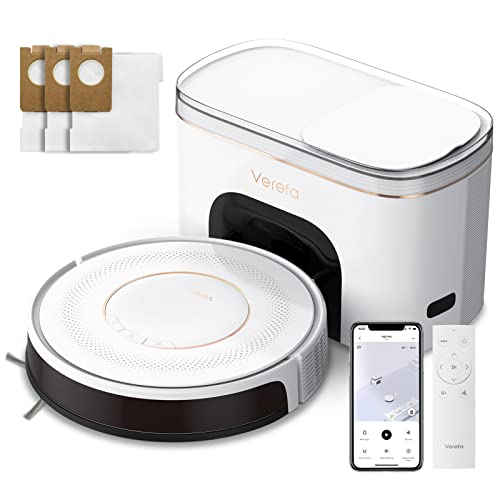 Apps that let you schedule cleaning sessions and configure areas that are not accessible are available for the most well-known self-emptying robotic vacuums. The app will also allow you to remotely monitor and control the cleaning capabilities of the device. This is particularly useful when you're expecting guests and you want to have peace of mind knowing that your home will be clean. Less downtime The standard robot vacuums store dirt inside a dust bin, which they need to empty every two cleaning cycles. The self-emptying base removes this step, enabling the appliance to run indefinitely between sessions without interruption, or the necessity of returning to its charging dock to get more power. This helps reduce the time between cleaning sessions, and also allows larger homes to clean from wall to wall in one go. Certain models allow you to set up a cleaning routine and use voice assistants such as Alexa or Google Assistant for control. You can create no-go zones and monitor the robot's movements. You can also modify settings such as suction power, or the amount of water that is dispensed to floors. These features may be extra however they will aid you in getting the most out of your robot vacuum. A self-emptying vacuum eliminates the need for the user to hold or empty the collection container. This is great for allergy sufferers and those who are required to perform other tasks around the home. The base is typically filled with weeks or even months worth of dirt and debris so you'll only need to empty it every 30 or 60 days, which is the same frequency that you'd have to change the bins on a regular vacuum. While many people prefer a robot vacuum that self-empties, it's not for everyone. If you're not able to shell out more, you can purchase one with a dust bin built in that will keep a week's worth of dirt. It is only necessary to replace the disposal bag periodically. The best self-emptying robotic vacuums will have an excellent capacity for holding dirt with continuous operation, as well as the ability to adjust settings such as suction power. Find models that have integrated cameras to observe your floors. Also, make sure that the device can be linked to an app that allows you to set a cleaning schedule or program no-go zones to monitor the robot's progress and change other settings. Compare the specifications and analyze the performance of the devices to determine the most efficient self emptying robot vacuums. Less user intervention It's only natural that home robotic helpers can clean themselves as we get more used to using our smartphones to calculate pi in a billion various locations, to activate street lights using electricity, and purchase items. Self-emptying robot vacuums take the concept to the next level by taking care of its own collection containers between cleaning sessions. robotvacuummops.com have small dustbins that are often only four inches high. They don't have enough room to hold a large dust bin as you would find on a Dyson upright. They are also generally bagless and require regular manual emptying since a full dustbin can easily get clogged with hairballs and other particles. These cleaners do not empty their bins manually and instead, they transfer all the dirt into a bag that is placed at the bottom of the docking station. These bags are designed to reduce dust spread and also prevent dust leakage based on the model. In addition to being less of a nuisance this hands-free maintenance allows for longer running times between emptying cycles since the robot doesn't have to return to its base and empty its collection container in order to continue running. Robots that are hands-free can clean more rooms in one session because of the reduced time between cleaning. The simpler maintenance also offers more convenience for busy homeowners, parents or anyone with a hectic life. You can use your automatic cleaner all week without stopping to empty the collection container. It will continue to run until it is required to return to the base to be emptied weeks later. These self-emptying robotic vacuums are compatible with many of today's smart home platforms. This lets owners monitor and control their robot vacuums from anywhere in the world using their smartphone apps or voice assistance. This integration level allows for proactive maintenance as well as transparency and the ability to modify the cleaning schedule and assign certain rooms.